
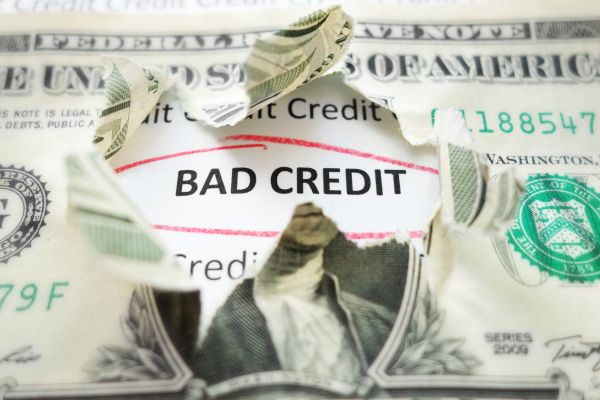
Buying a home with damaged credit can feel like trying to open a locked door with the wrong key. You may have income, savings, and a clear reason for wanting to own a home, but one old collection account, a few late payments, or a low credit score can make the process feel discouraging. Still, bad credit does not always mean homeownership is impossible. It usually means you need to understand your loan choices more carefully, prepare your finances, and know what lenders are really looking for.
Bad credit home loans are not magic solutions, and they are not all the same. Some are government-backed programs designed to make lending less risky for mortgage companies. Others are conventional options with stricter credit standards but possible flexibility for borrowers who have improved their financial habits. The right path depends on your credit score, income, debt, savings, location, and whether you qualify for special programs.
What Bad Credit Means in the Mortgage World
In everyday life, “bad credit” can mean anything from a few missed payments to a bankruptcy, foreclosure, or long history of unpaid debt. In mortgage lending, it is usually measured through your credit score, your payment history, and the overall risk shown in your credit report.
A low credit score matters because lenders use it to predict how likely you are to repay the loan. But it is not the only factor. A borrower with a modest credit score, steady income, low debt, and money saved for a down payment may look stronger than someone with a slightly higher score but unstable finances.
This is why two people with the same credit score can receive very different mortgage answers. One may be approved with conditions, while the other may be told to wait. Lenders look at the full picture: income, employment history, debt-to-income ratio, savings, recent late payments, credit utilization, and the type of loan being requested.
FHA Loans Are Often the First Option to Explore
For many buyers researching bad credit home loans, FHA loans are one of the most common starting points. These loans are insured by the Federal Housing Administration, which means lenders may be more comfortable approving borrowers who do not meet traditional conventional-loan standards.
FHA loans are known for allowing lower down payments and more flexible credit qualification. HUD says FHA loans can have down payments as low as 3.5% on eligible properties, and FHA-focused guidance commonly states that borrowers with a 580 score may qualify for the 3.5% down payment option, while scores below 580 may require a larger down payment.
That does not mean every lender will approve every borrower at the minimum score. Mortgage companies can set their own internal rules, sometimes called overlays. So, even if a program allows a certain credit score, a lender may still want stronger income, cleaner recent payment history, or a lower debt-to-income ratio.
The appeal of an FHA loan is that it gives some buyers a realistic path when a conventional mortgage feels out of reach. The trade-off is that FHA loans usually come with mortgage insurance costs, which can affect your monthly payment and long-term affordability.
VA Loans Can Help Eligible Military Borrowers
VA loans are another important option, but they are only available to eligible veterans, active-duty service members, certain National Guard and Reserve members, and some surviving spouses. For qualified borrowers, VA loans can be one of the most flexible mortgage routes.
The Department of Veterans Affairs does not set a minimum credit score at the program level, but lenders still review credit history and may apply their own score requirements. In practice, many lenders prefer a score around 620, though some may consider lower scores when other parts of the application are strong.
The biggest advantage is that VA loans may allow no down payment for eligible borrowers. They also do not require monthly private mortgage insurance, though there may be a VA funding fee depending on the borrower’s situation. For someone with imperfect credit but stable income and VA eligibility, this option is worth understanding before looking elsewhere.
USDA Loans May Work in Eligible Rural Areas
USDA home loans are often misunderstood. Many people assume they are only for farms or very remote places, but that is not always true. The USDA loan program can apply to certain rural and suburban areas, depending on property eligibility and income limits.
USDA’s Single Family Housing Guaranteed Loan Program states that it has no program-level credit score requirement, but applicants must show willingness and ability to manage debt. Interest rates are set by individual lenders, and the program is offered as a 30-year fixed-rate loan.
For borrowers with lower credit, this can be helpful, but again, lender standards matter. A lender may still want a specific score or stronger compensating factors. USDA loans also have location and income rules, so they are not an option for every buyer or every property.
Conventional Loans Are Possible, But Usually Less Flexible
Conventional loans are not backed by a government agency, so they usually have stricter credit expectations. They may still be possible for buyers with fair credit, especially if the credit issues are older and the borrower has a strong income, low debt, or a larger down payment.
Fannie Mae’s HomeReady program, for example, lists a minimum credit score of 620, a debt-to-income limit of no more than 50%, and income limits based on area median income. This kind of program may help borrowers who are not deeply damaged credit-wise but still need a low-down-payment option.
For someone with truly poor credit, conventional loans may be harder to secure. Even if approval is possible, the interest rate may be higher, and private mortgage insurance can add to the monthly cost if the down payment is below 20%.
Why Interest Rates Matter More With Bad Credit
A mortgage is not just about getting approved. It is also about whether the loan will still feel manageable after the excitement of buying a home fades. Borrowers with lower credit scores often face higher interest rates because lenders see them as higher risk.
A higher rate can change the monthly payment in a serious way. It can also increase the total cost of the loan over time. This is why it may sometimes be smarter to wait a few months, repair credit, reduce debt, and apply later rather than rushing into a loan with expensive terms.
That does not mean waiting is always best. If home prices are rising quickly, rent is becoming unaffordable, or the borrower has found a stable and reasonably priced home, moving forward may still make sense. But the decision should be based on numbers, not emotion.
What Lenders Look For Beyond the Credit Score
Credit score gets the most attention, but lenders care about several other details. One major factor is debt-to-income ratio, which compares your monthly debt payments to your monthly income. If too much of your income already goes toward credit cards, car loans, student loans, or personal loans, a lender may worry that a mortgage payment will stretch you too thin.
Employment history also matters. A steady job or consistent self-employment income can help balance weaker credit. Savings are important too. Even a small emergency cushion can make an application look less risky because it shows you are not buying with your last dollar.
Recent credit behavior is especially important. A borrower with old credit problems but clean payment history for the past year may be viewed more favorably than someone whose missed payments happened last month. Lenders often want to see that the financial problem is behind you, not still happening.
Steps to Improve Your Chances Before Applying
Before applying for bad credit home loans, it helps to review your credit reports carefully. Errors happen, and even one incorrect late payment or account balance can hurt your score. Disputing mistakes may improve your profile before a lender reviews it.
Paying down credit card balances can also help, especially if your credit utilization is high. You do not always need to pay every card to zero, but lowering balances can improve your score and reduce monthly debt obligations.
It is also wise to avoid new credit applications before applying for a mortgage. New loans, new credit cards, and large purchases can change your debt picture at the worst time. Lenders want stability, and sudden financial moves can create questions.
Be Careful With Risky Loan Offers
When someone has bad credit, they may feel grateful for any approval. That feeling can make risky offers look tempting. Some loans may come with very high fees, harsh terms, or adjustable rates that start low but become difficult later.
A real mortgage option should be understandable. You should know the interest rate, monthly payment, closing costs, mortgage insurance, down payment requirement, and whether the rate can change. If the numbers feel confusing or rushed, pause. A home loan is too large to accept without clarity.
It is also worth comparing more than one lender. Different lenders may interpret the same credit profile differently, especially with FHA, VA, and USDA loans. One denial does not always mean the journey is over.
When Waiting Might Be the Better Move
Sometimes the best mortgage decision is not applying today. If your credit score is just below a better approval range, a few months of focused repair may save a meaningful amount of money. If your debt is too high, paying it down can improve both your approval odds and your monthly comfort.
Waiting can also help if you have recent late payments. Mortgage lenders often care deeply about the most recent 12 months of credit behavior. Building a cleaner recent record can make your application stronger.
That said, waiting should have a purpose. It is not about delaying forever. It is about using time to improve the parts of your financial profile that lenders actually measure.
Conclusion: Bad Credit Does Not Close Every Door
Bad credit home loans can offer a path into homeownership, but they require patience, careful reading, and honest budgeting. FHA loans may be a practical option for many buyers with lower scores. VA loans can be powerful for eligible military borrowers. USDA loans may help buyers in qualifying rural or suburban areas. Conventional programs may work for those whose credit is fair rather than deeply damaged.
The bigger point is that approval is only one part of the story. A good home loan should fit your real life, not just your dream of owning a home. If your credit is bruised, take time to understand your options, strengthen what you can, and compare terms carefully. Homeownership may still be possible, but the smartest path is the one that keeps you financially steady after the keys are in your hand.